
Marconi Type 7
Description of the radar set, tactical-technical characteristics
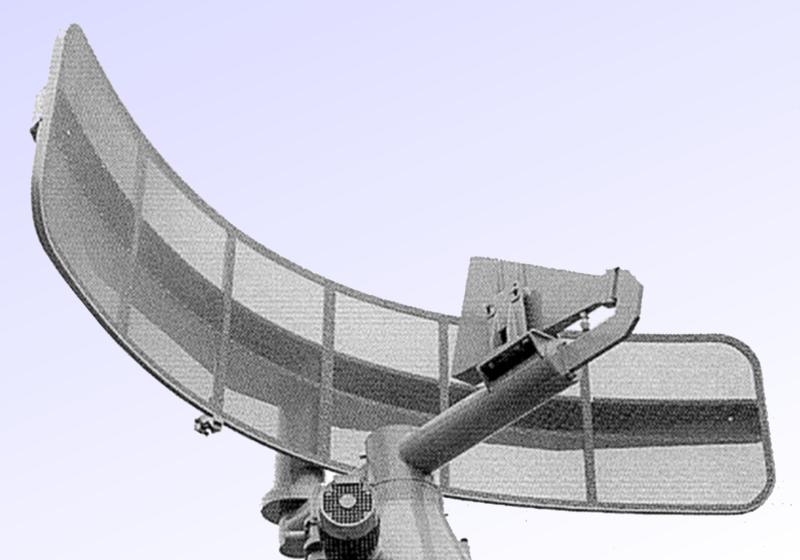
Figure 1: Marconi Type 7 radar at Sopley, United Kingdom (ca. 1942)
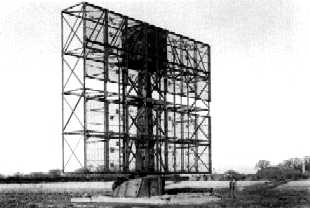
Figure 1: Marconi Type 7 radar at Sopley, United Kingdom (ca. 1942)

| Specifications | |
|---|---|
| frequency: | 192 … 209 MHz
( VHF-Band) |
| pulse repetition time (PRT): | |
| pulse repetition frequency (PRF): | 300 … 540 Hz |
| pulsewidth (τ): | 3.5 or 8 µs |
| receive time: | |
| dead time: | |
| peak power: | 80 … 100 kW |
| average power: | |
| instrumented range: | 90 Miles (≙ 145 km) |
| range resolution: | |
| accuracy: | |
| beamwidth: | |
| hits per scan: | |
| antenna rotation: | 0 … 8 rpm
(normally 4 rpm) |
| MTBCF: | |
| MTTR: | |
Marconi Type 7
The Marconi Type 7 was a British radar for Ground Controlled Intercept (GCI) during the end of the World War II. The Marconi Type 7 used full wave dipoles as 4x8 array with a reflector 54 feet wide by 30 feet high and weighing about 20 tons.
Source: